Riverscape Reconnection and Science
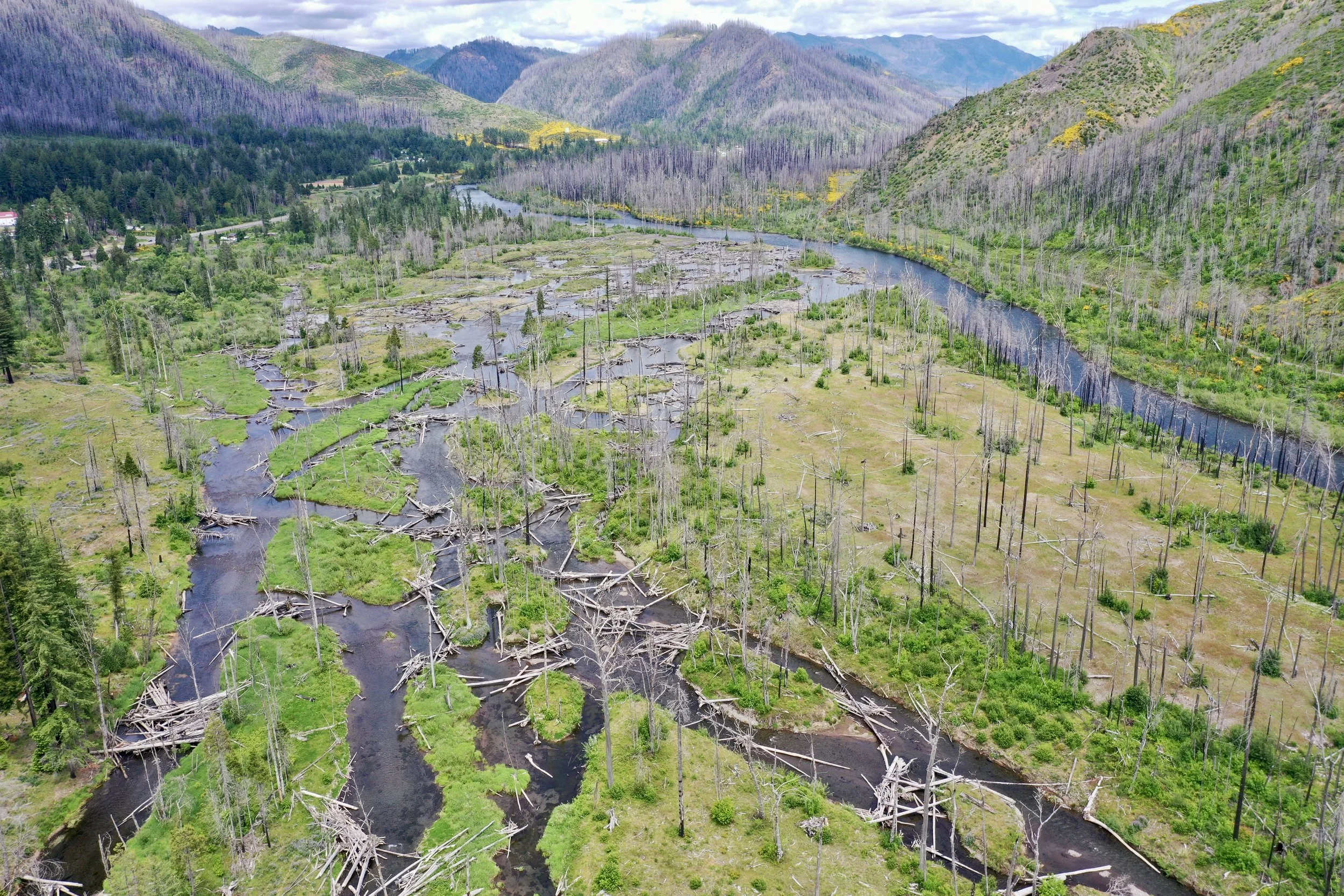
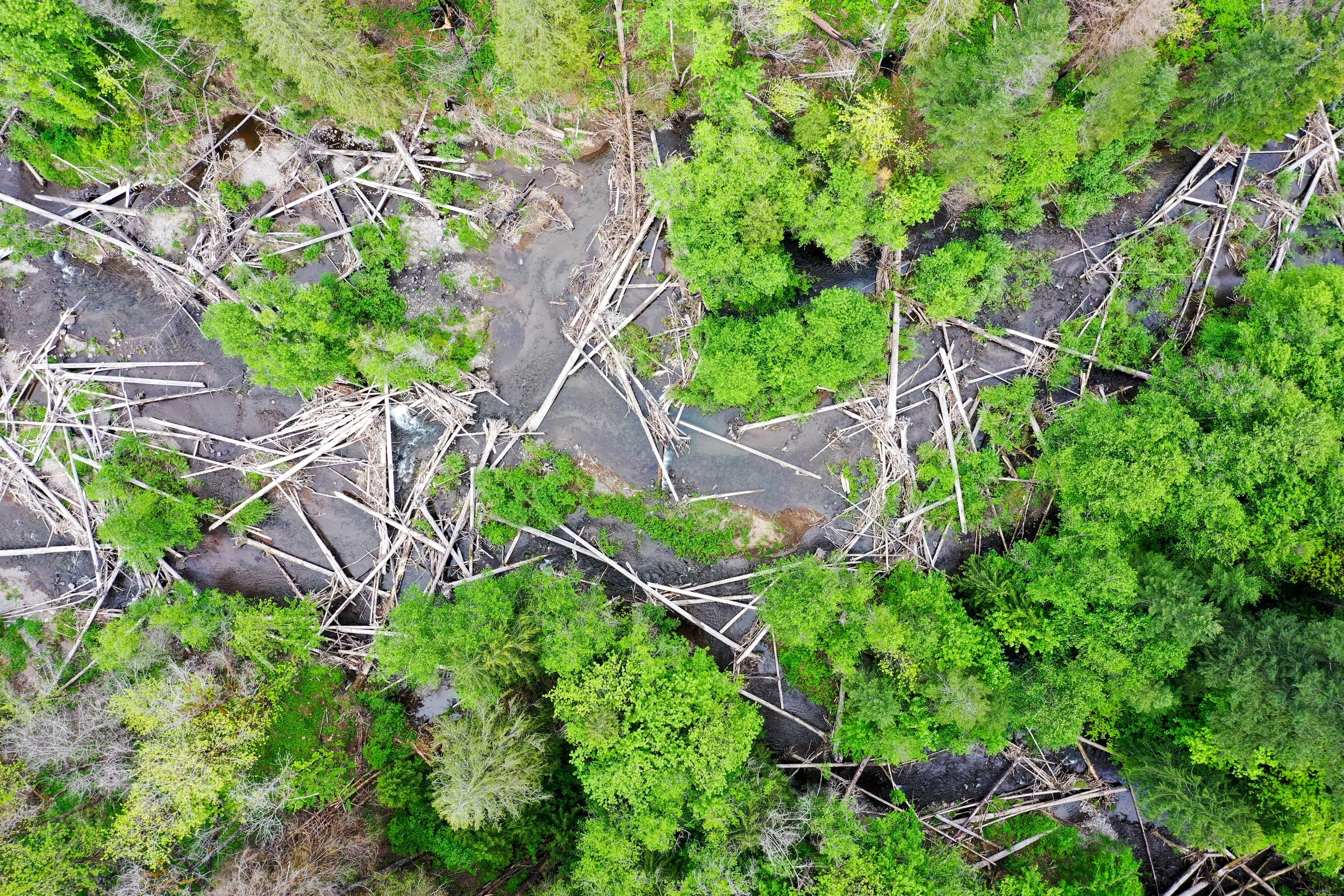
Process-based restoration to a Stage 0 condition is a valley-scale approach that restores the hydrologic, geologic, and biological processes that shape streams and wetlands. By reconnecting channels to floodplains and restoring water-wood-sediment interactions, this approach rehydrates valleys under baseflow conditions and allows dynamic stream–wetland networks to form. In unconfined valleys, reversing channel incision shifts systems from transport-dominated to depositional, increasing water, wood, sediment, and nutrient storage; supporting diverse habitats; and improving resilience to floods, drought, wildfire, and climate change.
WHAT IS PROCESSED-BASED RESTORATION TO STAGE 0?
WHAT IS LOW-TECH PROCESS-BASED RESTORATION?
Low-tech process-based restoration (LTPBR) focuses on restoring natural processes using simple, cost-effective, and minimally invasive techniques that work with—rather than override—existing system capacity. Common methods include installation of beaver dam analogues (BDAs), post-assisted log structures (PALS), and other hand-built wood features that mimic natural wood accumulations and promote hydraulic complexity. These interventions are designed to slow water, trap sediment, raise local water tables, and encourage channel aggradation and floodplain reconnection over time.
LTPBR is most effective in systems that retain some degree of geomorphic and hydrologic function, where incremental adjustments can initiate self-sustaining recovery trajectories. Compared to valley-reset approaches, LTPBR relies more heavily on natural feedbacks and longer timeframes, allowing stream–wetland systems to evolve dynamically with minimal disturbance. When applied in the appropriate setting, LTPBR can be a highly efficient and scalable strategy for enhancing habitat, improving water storage, and increasing resilience across watersheds.
WHAT IS VALLEY-RESET RESTORATION?
Valley-reset restoration is an active approach used in highly degraded, incised systems to rapidly re-establish the physical template required for Stage 0 conditions. In valleys where channels have become deeply incised and disconnected from their floodplains, natural recovery processes are often constrained by limited sediment supply, lowered water tables, and insufficient hydraulic connectivity. Valley-reset addresses these constraints directly by reconstructing valley-floor elevations and redistributing flow pathways across the floodplain.
This approach typically involves filling incised channels with sediment sourced from within the valley, installing abundant large wood to promote hydraulic roughness and sediment retention, and regrading or reoccupying historic flow paths to disperse water laterally. By raising the channel elevation and restoring frequent floodplain inundation—even under baseflow conditions—valley-reset reinitiates depositional processes, increases groundwater storage, and re-establishes the feedbacks among water, wood, and sediment that drive dynamic stream–wetland networks.
While process-led techniques like beaver dam analogues (BDAs) can support gradual recovery where system capacity remains, valley-reset is applied where those processes are no longer sufficient on their own. In these settings, it serves as a catalytic intervention that restores the system’s ability to function and evolve, advancing degraded valleys toward Stage 0 conditions on timescales that would otherwise be unattainable.
SERVICES
-
![]()
Valley Reconnection Feasibility Assessment
We evaluate watershed and valley-scale opportunities for floodplain reconnection using geomorphic, hydrologic, ecological and land-use analyses to identify where process-based valley reconnection is feasible and appropriate.
Assessments include constraints screening, risk considerations, and prioritization to inform phased implementation.
-
![]()
Valley-Reset (Stage 0/8) Design
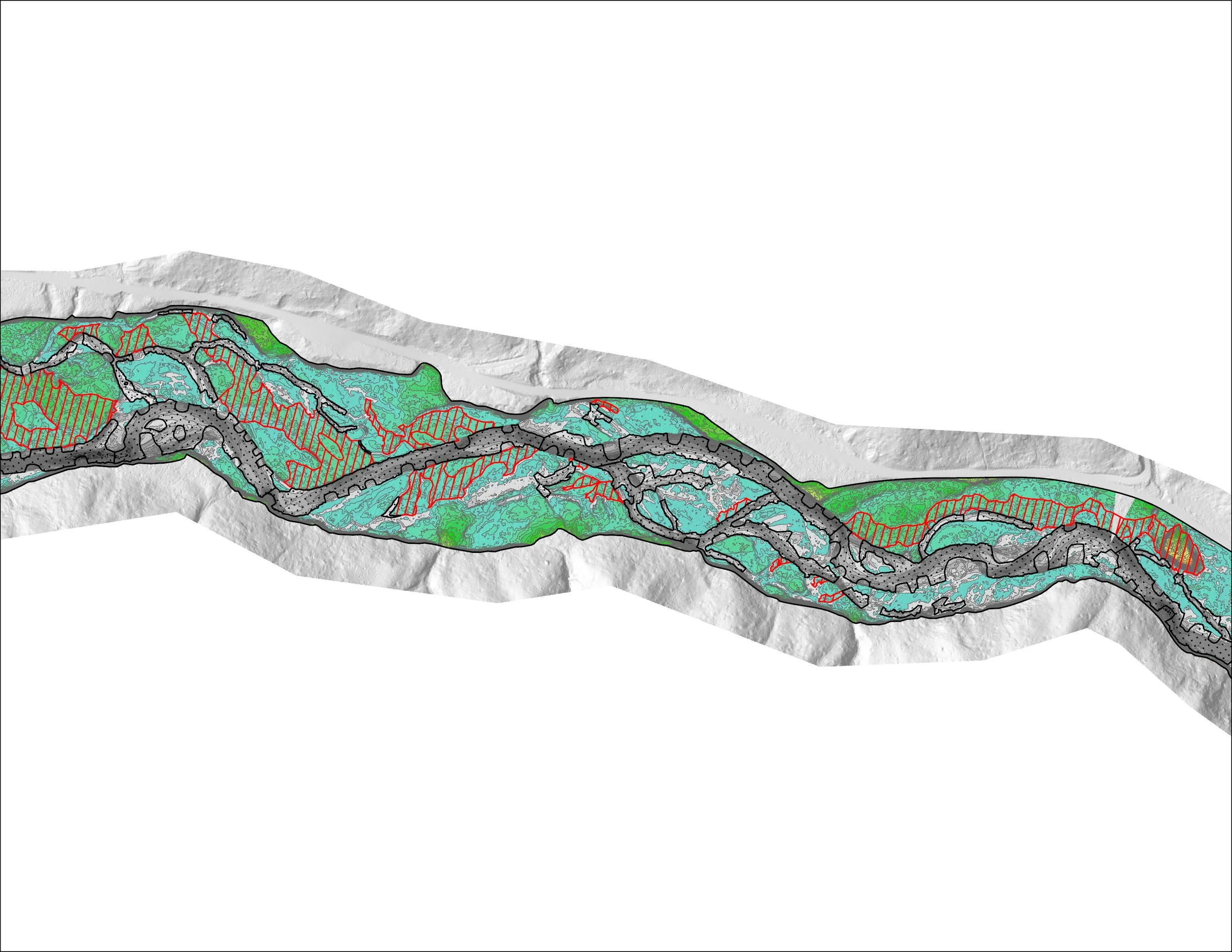
We develop process-based restoration designs that restore wetlands or anastomosing riverscapes, maximum floodplain connectivity and valley-scale hydrologic function through regrading and strategic wood placement.
Designs are advanced from conceptual through final and tailored to site constraints, risk tolerance and project objectives.
-
![]()
Permitting and Regulatory Support
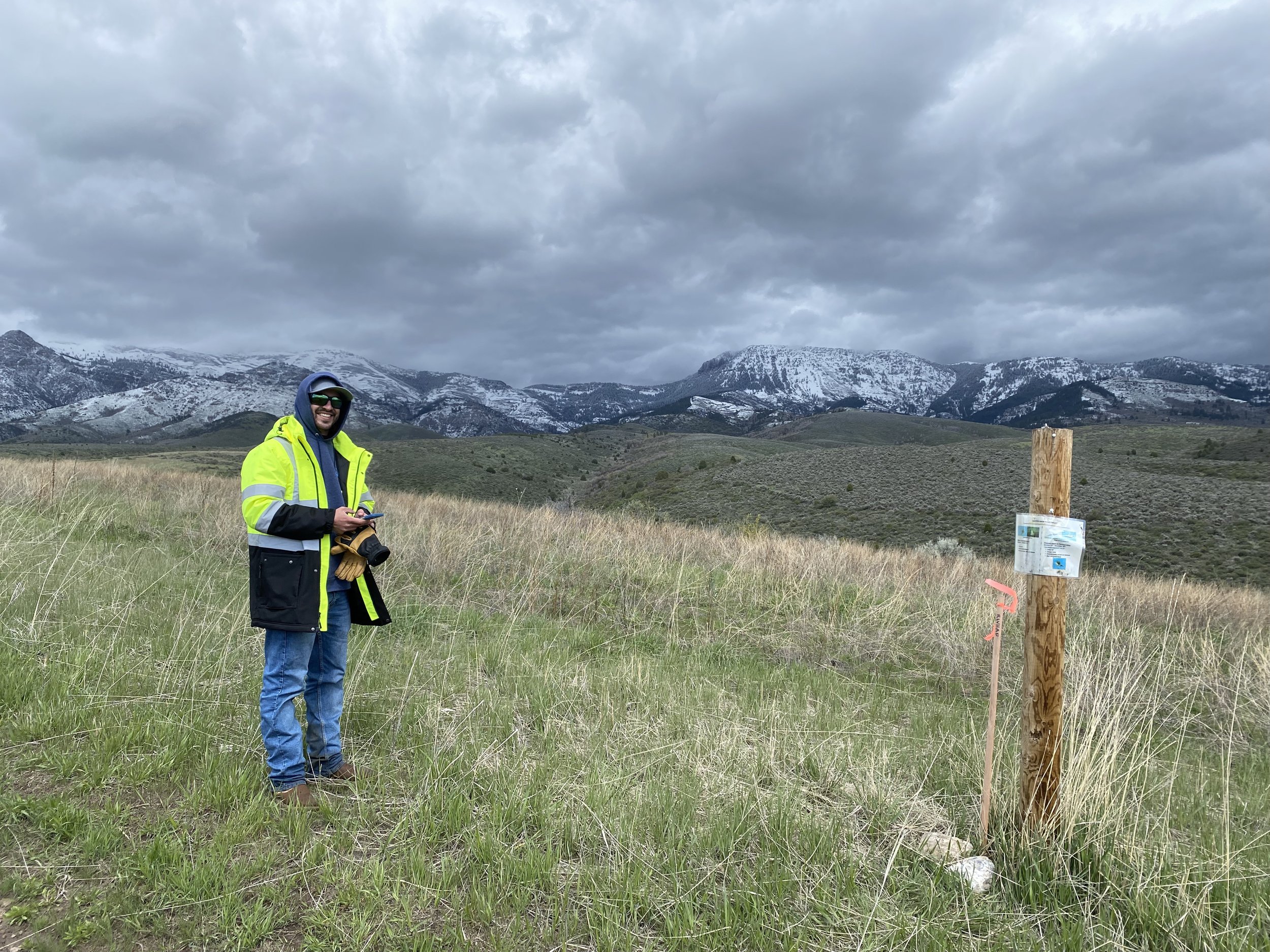
We support state, federal and local permitting and environmental compliance for restoration and infrastructure projects, including permit pathway development, agency coordination, and technical documentation.
-
![]()
Construction Oversight
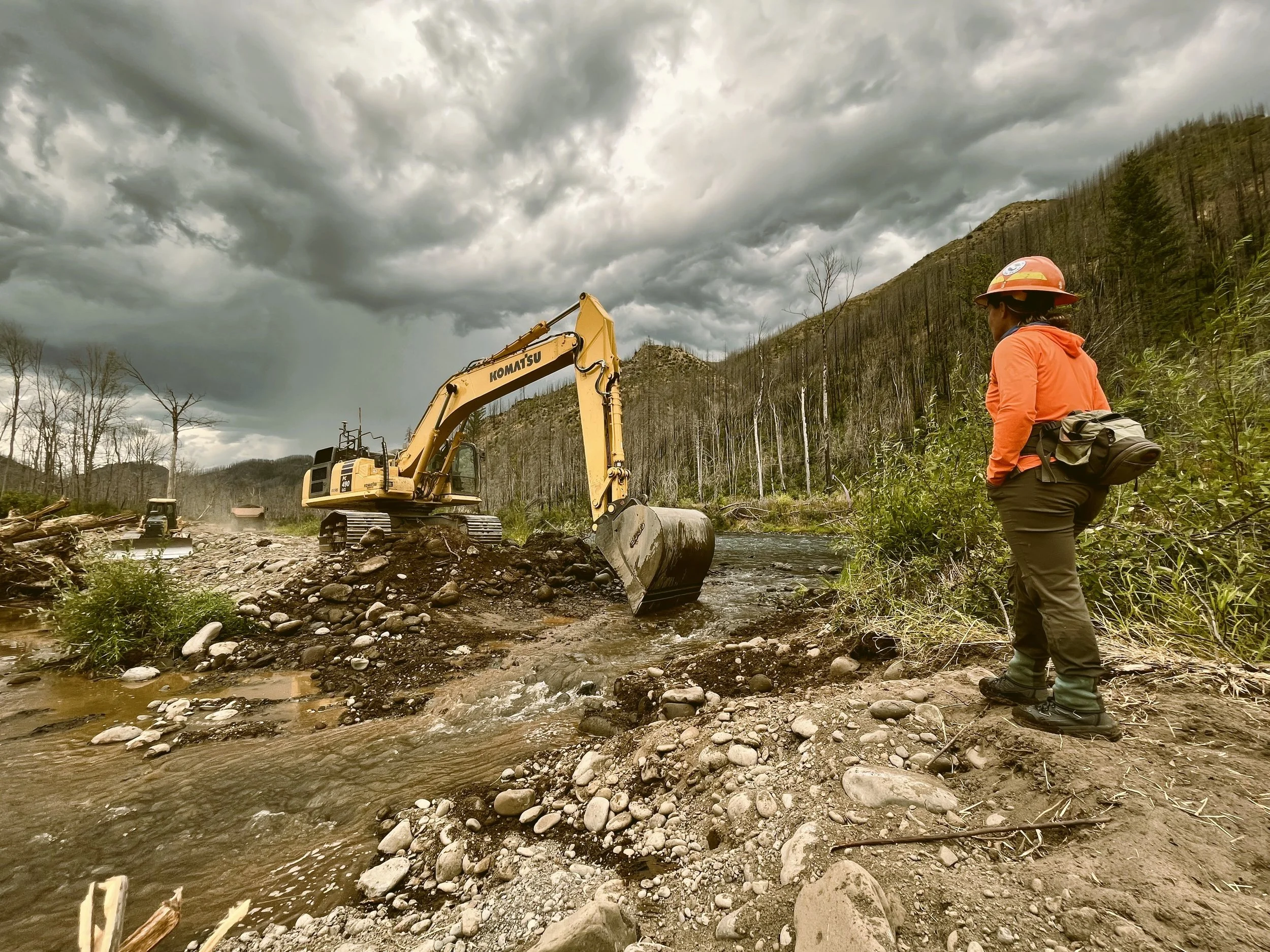
We provide construction-phase support to ensure restoration intent, permit conditions, and biological protection measures are implemented effectively in the field. Services include on-site coordination, adaptive decision-making and documentation to support compliance and successful project delivery.
Adaptive management is central to successful valley-reset construction and our experience from dozens of projects allows us to make informed, on-site decisions that improve outcomes in dynamic field conditions.
-
![]()
Fish and Wildlife Relocation
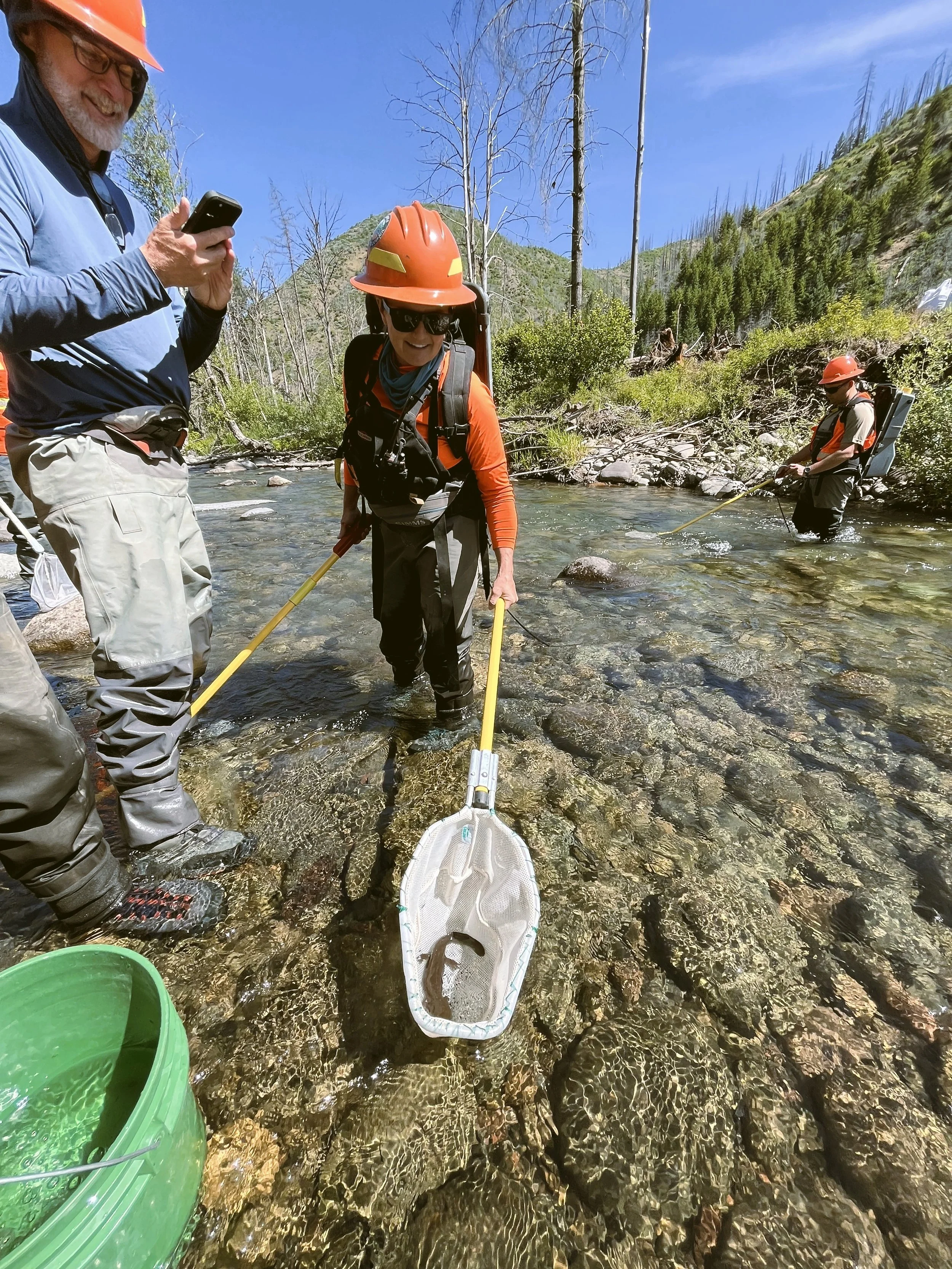
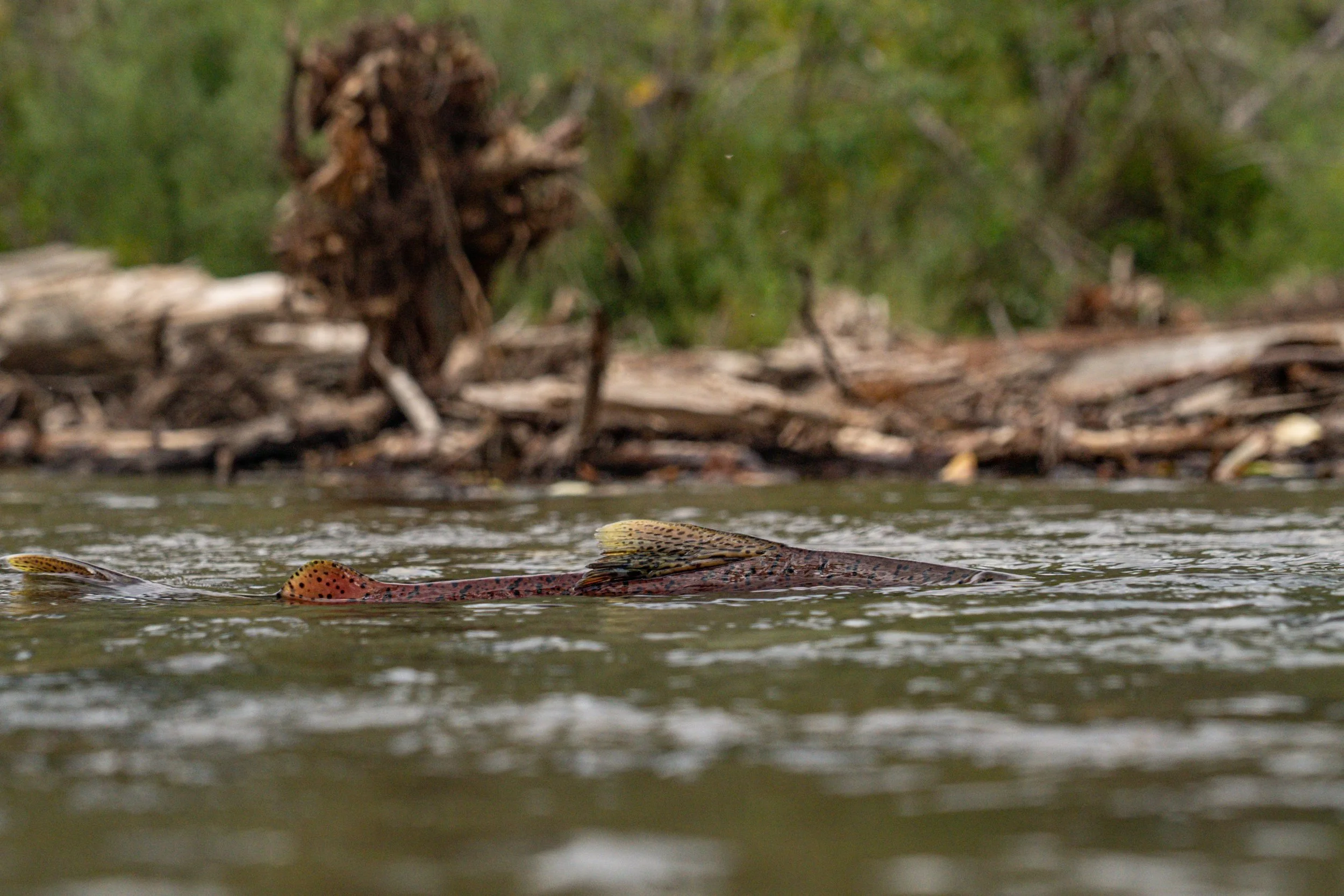
We provide fish and wildlife rescue and salvage planning, permitting support, and field-based operational services, including capture, handling, relocation and monitoring, associated with in-water work and construction dewatering for a wide range of projects.
-
![]()
Monitoring and Adaptive Management
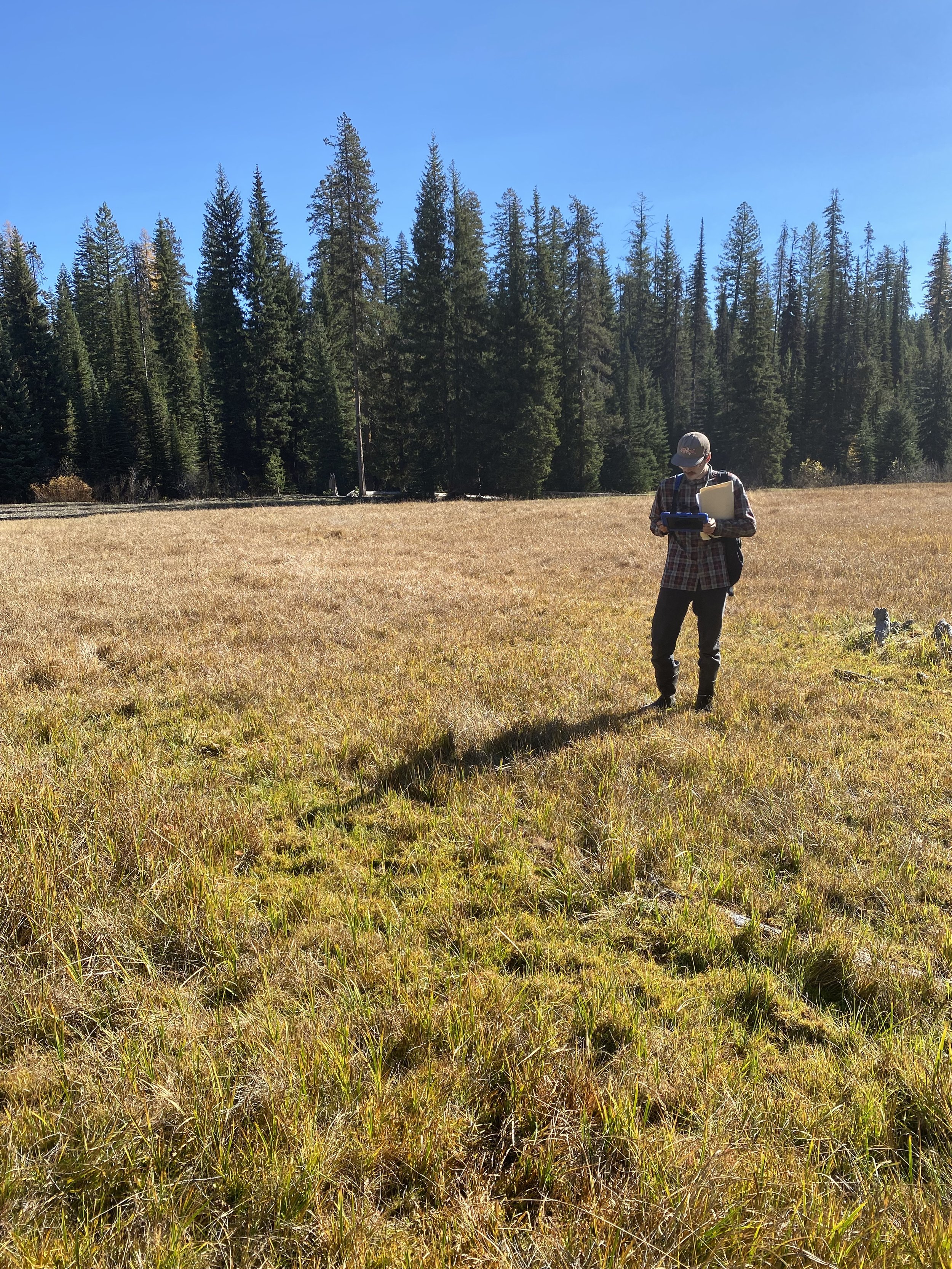
We design and implement effectiveness monitoring programs to evaluate physical and ecological response to restoration and inform adaptive management over time. Monitoring frameworks are scaled to project objectives, risk, and funding requirements, with clear performance metrics and decision thresholds.
Conventional effectiveness monitoring approaches are often insufficient for evaluating process-based aquatic restoration. We are advancing a new monitoring framework for valley-reset projects that emphasizes system dynamics, spatial heterogeneity, and trajectory-based assessment.